
Your Earthquake Risk Is a Number. You Should Know It.
Insurers rely on averages and assumptions. We don’t.
We empower you – and your broker – with the technical leverage needed to unlock real value from your program.
Our building-level loss estimates give California HOA boards the data they need to make better, more cost-effective insurance decisions.

Why get your own EQE Risk loss estimates?
Your insurance probably covers less than you think.
Commercial earthquake policies apply deductibles per building — typically 15% to 25% of each building's insured value. In a moderate earthquake, damage to many buildings falls entirely within those deductibles. The policy is in place. It just doesn't pay.
The “big one” isn't necessarily your biggest financial risk.
A moderate magnitude 6.0–6.5 earthquake can produce millions in aggregate damage across a community while triggering zero insurance payouts. It's the scenario boards should plan for, yet rarely do.
When insurance doesn't cover the bill, homeowners do.
After Northridge in 1994, some condo owners faced special assessments exceeding $110,000 in today’s dollars. Today's costs are even higher than that given the skyrocketing costs of construction. Without building-level data, boards can't anticipate these numbers — or plan to avoid them.
What Are Building-Level Earthquake Loss Estimates?
We assess how each building in your community would perform under realistic earthquake scenarios — accounting for construction type, building age, soil conditions, and the specific seismic hazard at your site. We do it based on observation and experience, not checklists or models.
Separate from and complementary to the work of insurance brokers, we provide another level of data and expertise specific to earthquakes in California. And we do it at a cost that is typically a small fraction of a single year’s insurance premium.
What You Get:
Per-building loss estimates for your exact buildings and site.
Data your insurance team can use — to restructure deductibles, set appropriate insurance limits, and optimize costs.
Loss reduction advice— real-world, low-cost improvements you can make to help avoid losses in the first place.
Strategic advice for managing risk — exclusive insight based on decades of first-hand earthquake losses around the world, similar to what we provide for our major corporate and insurance clients.
For HOA Boards & Property Managers
Make informed decisions — not assumptions. You're responsible for protecting your community's financial health. Building-level loss estimates change the conversation:
See your real exposure before an earthquake reveals it.
Plan for the deductible gap — build reserves or adjust coverage.
Meet your fiduciary duty — Documented analysis protects individual directors.
Inform your residents – Educate them about their own exposures, liabilities, and coverage options separate from your Association.
For Insurance Brokers
Better data makes better programs.
Optimize deductibles – Structuring deductibles efficiently and avoid gaps, especially with per-building deductibles and multi-building campuses.
Specificity for underwriter submissions — Carriers reward detailed risk data with better terms.
Deductible optimization — Model different structures against actual expected losses.
A tool for retention — Differentiate your service with sophisticated, proactive data.
By The Numbers
99%
Probability of a 6.7+ earthquake in CA within 30 years.
15-25%
Typical earthquake deductible, applied per building.
0%
Payout for many HOAs after moderate quakes, even with millions of dollars of aggregate losses
-
PML studies are generic, formulaic, and made for transactions. Our work focuses on probable scenarios — the moderate earthquakes most likely to occur — and translates them into the financial terms boards need to manage reserves and deductibles.
-
Yes. Insurance is only as good as its structure. Our data tells you if your current policy will actually pay out when you need it most. We give you more, better details that you can use with your brokers or other professionals to dial in the most effective, appropriate coverage.
-
No. For earthquakes, we go far beyond the detail and expertise of insurance players, empowering them to do more for you. Insurers rely on averages and assumptions, and brokers work with the best data they can find to protect you. We provide a higher level of data and insight that, in the hands of a skilled broker, translates to better coverage for you, possibly at a better price.
Decades of Disaster Experience.
EQE Risk engineers have spent four decades investigating real earthquakes and advising global insurers.
100+ post-disaster investigations worldwide.
Founded by a pioneer who helped create catastrophe modeling for the insurance industry.
Author of the standard reference: Peace of Mind in Earthquake Country.
Experienced consulting firm for many of the world’s leading insurers and reinsurers.
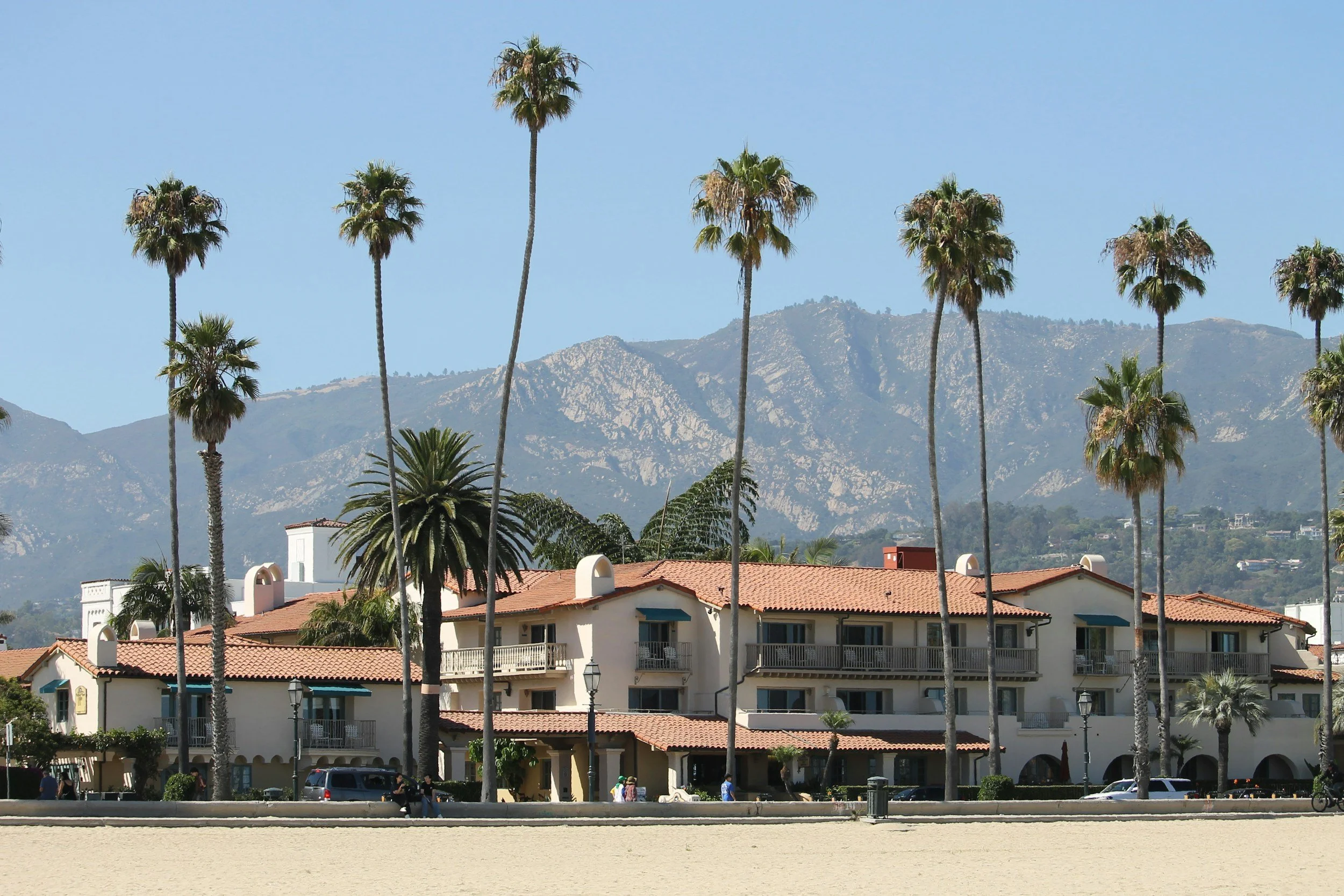
The Problem A California HOA paying $125,000 per year in premiums discovered a critical flaw in their community earthquake coverage. While they had an active policy, the structure of their per-building deductibles meant the insurance would not effectively respond in a major earthquake. In many likely seismic scenarios, anticipated damage fell entirely within these deductibles, leaving the owner with no payout despite a massive annual investment.
The Solution Using building-level loss estimates, the owner moved past insurance averages to see their real exposure. This independent data allowed their broker to restructure their insurance program with precision. To further reduce risk, the owner implemented targeted property improvements identified during the assessment, focusing on structural and non-structural vulnerabilities that could lead to preventable losses.
The Result By leveraging technical data, the owner secured significantly better coverage at a lower cost. The premium savings were redirected into property upgrades that meaningfully reduced the community's physical risk. Ultimately, the owner transitioned from a high-cost, ineffective policy to a balanced financial plan that ensured the insurance would actually pay out when needed – without increasing premium spend at all.
Case Study: Escaping the Deductible Trap
Is Your Community Actually Covered?
Don’t wait for an earthquake to find out your insurance won't pay. Most Boards make insurance decisions based on averages. We give you the building-level data you need to protect your residents' equity and meet your fiduciary duty with confidence.s
Contact us
Interested in working together? Fill out some info and we will be in touch shortly. We can’t wait to hear from you!